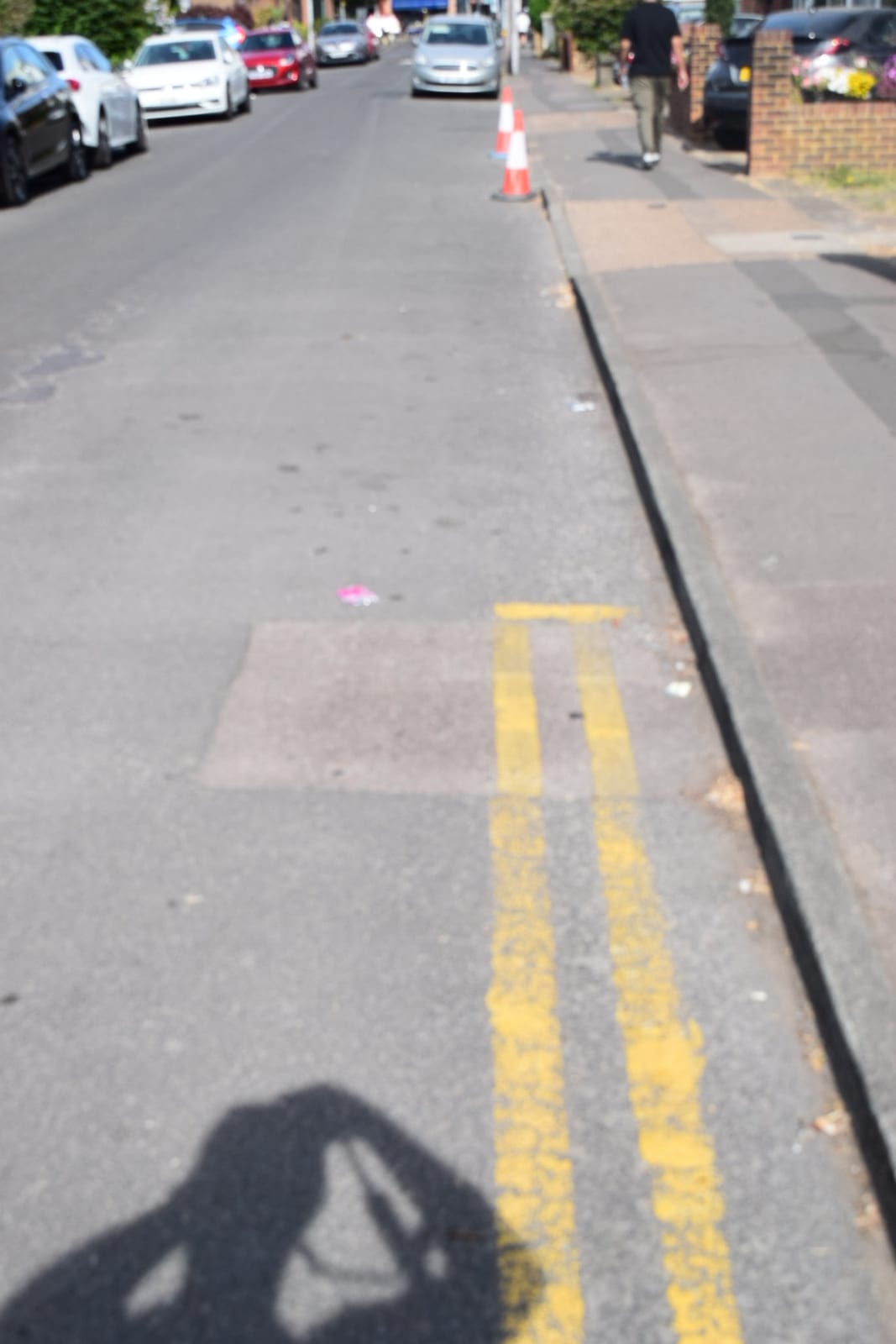
Cambridge Road
1 Aug 2026 · date from photo
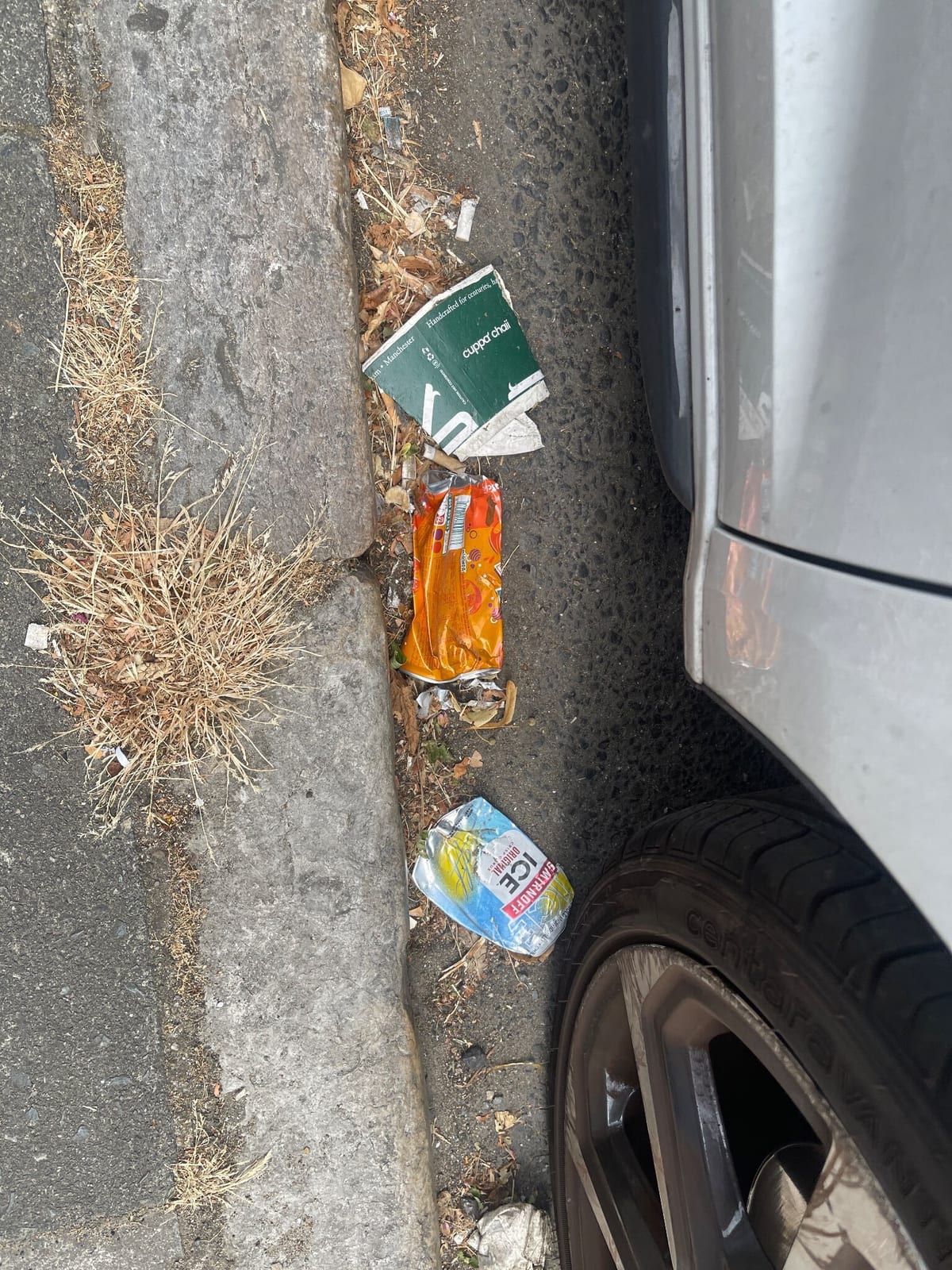
Lots of old rubbish in the street and the guttering
Reported 1 Aug 2026 · ref 9882887 · medium intensity zone, 1 day allowed
“Its ugly and makes the town look shabby”
John, New Malden

Royal Borough of Kingston upon Thames is not being asked politely to clean our streets. It is under a legal duty to do it — and it has published its own promise to fix a justified report within one working day. Every step below turns your annoyance into a dated, official record that exists independently of what happens next. Start with step one. It takes two minutes.
Every one of these was photographed on a New Malden street, graded against the Government’s own scale, and reported to the council on the date shown. Where a report is past the deadline for its zone, the card says so.
Lots of old rubbish in the street and the guttering
“Its ugly and makes the town look shabby”
John, New Malden
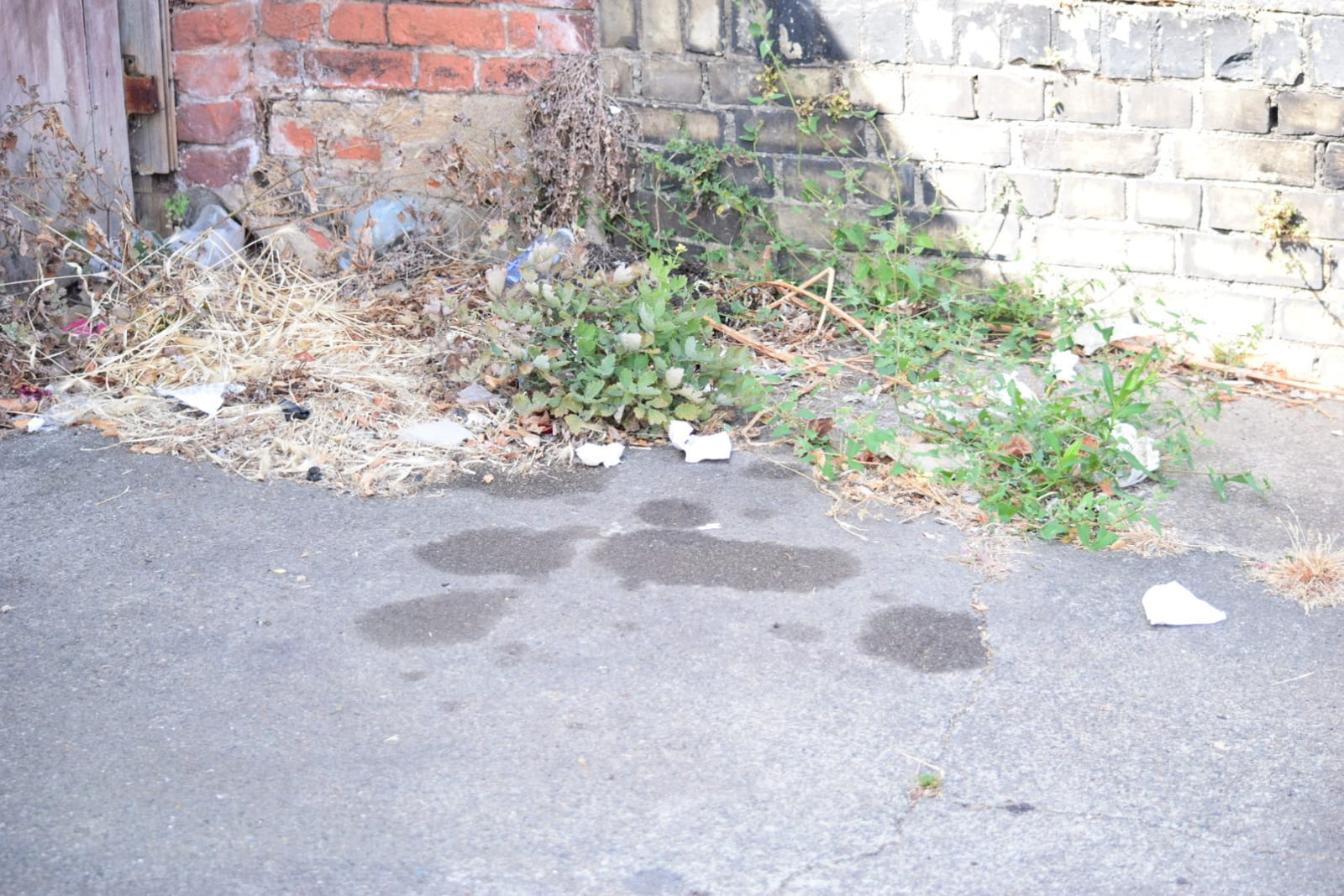
Bottle, cans, cigarette butts, rubbish, change colour its been there so long!!
“Its been there ages - never cleaned - just ignored to keep building up”
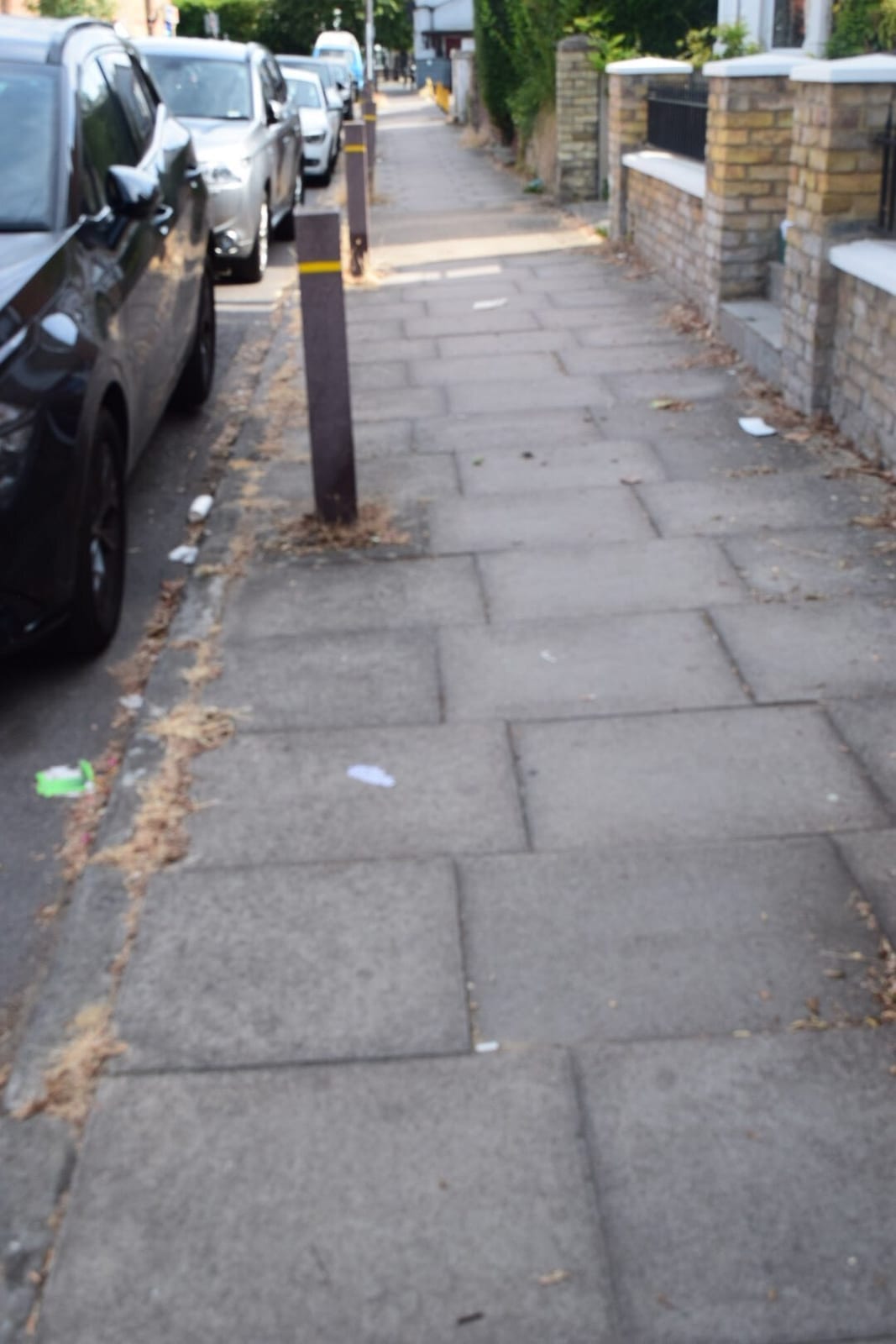
Lots of Litter in the path and road
Lots of Litter along the kerb - looks like its been there awhile - Rubbish, cans and straw have been there for about 4 weeks
“My family have to walk past it every day and makes the street look dirty”
Arron, New Malden
Bottles, cans, takeaway cups
“Makes the street look very dirty”
Recognise it? Then log it. The reason to photograph your own street rather than share these is that a hundred separate dated reports is a pattern the council has to answer, and a hundred shares of one photo is not. It takes two minutes.
They escalate. Each one builds the record the next one needs, so please don’t skip ahead — a court or an ombudsman will ask whether you gave the council a fair chance to fix it first.
This is the most important thing on this page. A photo posted in a Facebook group is invisible to the council and worthless as evidence. A photo submitted through an official channel is timestamped, logged, given a reference number, and proves the council was told. That last part is what everything else depends on.
Two routes. Use FixMyStreet if you can — it forwards your report to Royal Borough of Kingston upon Thames and publishes it on a public map, so the report survives even if the council’s system quietly closes it.
Then send the reference number to us. One resident reporting a street looks like a fussy neighbour. Two hundred reference numbers on one map, most of them past the council’s own one‑day deadline, is a pattern of statutory failure. The reference numbers are the campaign.
A photo of rubbish is an opinion. A photo with a date, a location, a recognisable landmark and a consistent method is evidence. The photo rules further down take half a minute to learn and make the difference between a scrapbook and a case file.
The Government’s Code of Practice on Litter and Refuse grades land from A to D, and requires councils to keep it at Grade B or better. Saying “the street is filthy” invites an argument. Saying “this street has been at Grade C for nineteen days” is a measurement against the council’s own yardstick — and the Code is admissible in evidence in proceedings about whether a council has met its duty.
Reporting a dirty street and complaining about the service are two different things in council systems, and only the second one starts a clock. A formal complaint enters Kingston’s corporate complaints procedure at stage one. You must exhaust this procedure before the Ombudsman will look at your case, so treat it as a necessary gate rather than an expression of hope.
Ask for a specific outcome — the cleaning schedule for your street, and a date it will be cleaned — not just an apology. Keep every reply.
This is the step that wins the argument, because it takes the case out of our hands and puts it in the council’s own numbers. It’s free, and they must reply within 20 working days — which is why it’s worth sending at the start rather than in six months.
What we want to know: how the street cleaning budget and staffing have changed over the last decade, what the actual cleaning frequency is street by street, where the zoning boundaries fall — and how many reports each ward makes compared with how many actions the council took. That last one is how we find out, from their own records, whether some parts of the borough are cleaned more often than others.
This is the one step where more of us doing it separately makes things worse. Duplicate requests about the same thing can be refused on cost grounds, so please don’t send your own copy of this one. If you would like to help with a request, email us first and we will work out between us who asks what.
If you are the one sending it: use WhatDoTheyKnow if you can — it publishes the request and the council’s answer automatically, so the reply is on the public record whether it’s flattering or not. Or email [email protected]. Either way, sign it in your own name with your own email address.
Councillors can ask questions of officers that residents cannot, and they can raise this at a neighbourhood committee where it has to be minuted. Email all the councillors for your ward at once and copy in the others across the Maldens and Coombe area — a councillor who knows their colleagues have also received it responds differently.
Ask one precise question: what is the published cleaning frequency for my street, and how does it compare with the rest of the borough? A vague complaint gets a vague reply. A specific question has to be either answered or visibly dodged.
Under section 91 of the Environmental Protection Act 1990, any person aggrieved by the state of a street — that means you, a resident — can complain to a magistrates’ court. If the court agrees the street is defaced by litter or refuse, it can make a litter abatement order requiring the council to clean it within a specified time.
If the council then ignores that order without reasonable excuse, it commits an offence: a fine of up to £2,500, plus a further £125 for every day the street stays dirty after conviction. The court can also order the council to pay the reasonable costs you incurred in bringing the complaint.
You must give the council at least five days’ written notice before you complain to the court. Our template gives them seven clear days, which is safer and looks more reasonable.
Two honest warnings. First, the council has a defence: if it can show it met its section 89 duty — that it did what was practicable in the circumstances — the complaint fails. That is exactly why steps 1 to 5 matter, because a documented history of reports it never actioned destroys that defence. Second, this is a court process. Consider getting legal advice before you issue proceedings, and don’t go alone if several of you can go together.
The Local Government and Social Care Ombudsman investigates councils for maladministration and service failure, free of charge. It will normally refuse to look at your case until you have been all the way through Kingston’s own complaints procedure — so step 4 is the price of admission here. It can recommend the council puts things right and, in some cases, pays compensation.
These four grades come from the Government’s Code of Practice on Litter and Refuse. Councils must keep land at Grade B or better. Use the same words they do — it removes the argument about whether “dirty” is just your opinion.
No litter or refuse. On highways, no detritus either.
Predominantly free of litter and refuse apart from some small items.
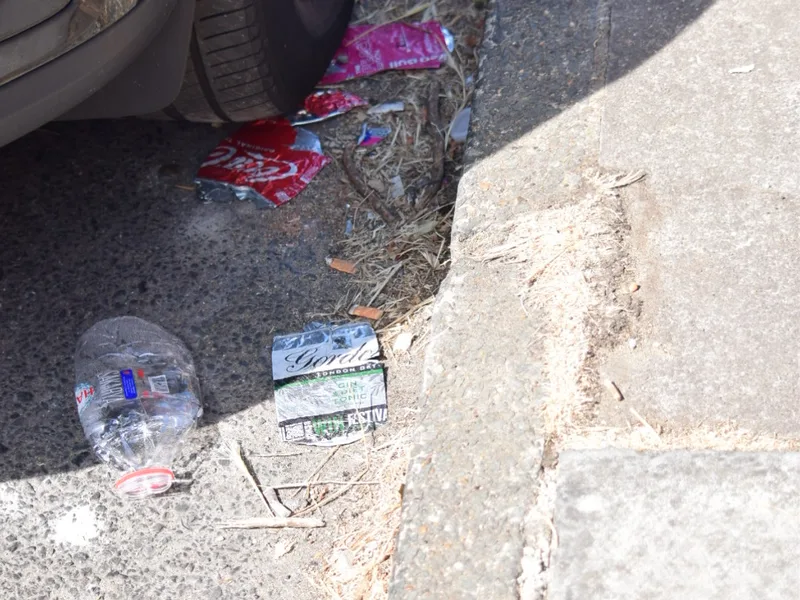
Widespread distribution of litter and/or refuse with minor accumulations.
Heavily affected by litter and/or refuse with significant accumulations.
The official photographs. The Code contains photographic examples of all four grades in different settings — highways and hard surfaces, soft surfaces, and detritus — so you can compare your street against the Government’s own reference images rather than guessing. They are in the Code of Practice PDF at section 7.7, pages 16 to 17.
Once a street falls below Grade B, the council doesn’t just have to improve it — it has to restore it to Grade A, and there is a deadline that depends on how busy the area is:
| Zone | Typical location | Deadline |
|---|---|---|
| High intensity | Busy shopping streets, transport hubs | half a dayby 6pm if reported before 1pm, or by 1pm the next duty day if reported between 1pm and 6pm |
| Medium intensity | Most residential roads and local parades | 1 dayby 6pm the following evening |
| Low intensity | Quiet, lightly used areas | 14 days |
| Special circumstances | Hard to reach or exceptional sites | 28 daysor as soon as reasonably practicable |
Councils are supposed to publish their zoning map. If you can’t find Kingston’s, that is itself worth asking about — which is why it’s the first item in our Freedom of Information template. Note too that Kingston’s own street cleaning page states that a justified report “will be resolved within 1 working day”. That is the council’s own published promise, and it is easier to hold them to their own words than to anyone else’s.
Half a minute of discipline turns a picture into evidence. Six rules.
Anything HIGHLIGHTED LIKE THIS needs replacing with your own details before you send it. Please do edit them into your own words where you can: fifty identical letters can be dismissed as a campaign, fifty different letters describing the same problem cannot.
Location: [STREET NAME AND NEAREST HOUSE NUMBER OR LANDMARK]

Condition: This location is currently at Grade [C / D] against the Code of Practice on Litter and Refuse — [widespread litter with minor accumulations / heavily affected with significant accumulations].

Detail: [DESCRIBE WHAT IS THERE — e.g. accumulated litter along the kerb line and in the gutter for approximately 40 metres, plus overflowing bin at the junction.]

First noticed: [DATE]. This is [a new problem / an ongoing problem I have previously reported].

I am requesting that this is restored to Grade A within the timescale set out in the Code of Practice for this zone, and I note the Council's own published standard that a justified street cleaning report will be resolved within one working day.

Please confirm the reference number for this report.
To: The Royal Borough of Kingston upon Thames
Subject: Formal complaint — failure to maintain street cleanliness in [YOUR STREET / AREA]

I am writing to make a formal complaint under the Council's corporate complaints procedure. I would like this logged at stage one and I would be grateful for a complaint reference number.

I live at [YOUR ADDRESS], in the [WARD NAME] ward, and I have done so for [NUMBER] years.

The complaint

The streets in my area are persistently below the standard of cleanliness the Council is required by law to maintain. Assessed against the grades in the Code of Practice on Litter and Refuse, [STREET NAME] has been at Grade [C / D] on each of the following dates:

  - [DATE] — Grade [C/D] — [BRIEF DESCRIPTION]
  - [DATE] — Grade [C/D] — [BRIEF DESCRIPTION]
  - [DATE] — Grade [C/D] — [BRIEF DESCRIPTION]

I have reported this to the Council on the following occasions, with these reference numbers:

  - [DATE] — reference [NUMBER] — [OUTCOME, OR "no action taken"]
  - [DATE] — reference [NUMBER] — [OUTCOME, OR "no action taken"]

Photographs are attached. [DELETE IF NOT ATTACHING.]

Why I say this is a service failure

Section 89 of the Environmental Protection Act 1990 places a duty on the Council to ensure that its relevant land and highways are, so far as is practicable, kept clear of litter and refuse. The Code of Practice on Litter and Refuse requires land to be maintained at Grade B or better, and requires land that falls below Grade B to be restored to Grade A within the timescale for its zone. The Council's own website states that a justified street cleaning report "will be resolved within 1 working day". On the evidence above, none of these standards is being met in my area.

What I am asking for

  1. The published cleaning frequency and schedule for [STREET NAME], and the zone it is classified in under the Code of Practice.
  2. A comparison of that frequency with the frequency applied in [ANOTHER NAMED AREA OF THE BOROUGH], so I can understand whether resources are distributed evenly across the borough.
  3. A specific date by which the locations listed above will be restored to Grade A.
  4. An explanation of why my previous reports did not result in the street being cleaned within the Council's own stated timescale.

I would be grateful for a substantive response within the timescales set out in the Council's complaints procedure. Please note that I intend to pursue this further, including to the Local Government and Social Care Ombudsman, if the matter is not resolved.

Yours faithfully,
[YOUR FULL NAME]
[YOUR ADDRESS]
[YOUR EMAIL AND PHONE]
[DATE]
To: [email protected]
Subject: Freedom of Information request — street cleansing standards, resourcing and distribution

Dear Royal Borough of Kingston upon Thames,

I am making a request for information under the Freedom of Information Act 2000. Please treat the numbered items below as a single request. Where information is already published, a link is sufficient.

1. ZONING AND STANDARDS
   a) The Council's current zoning map or zoning schedule prepared under the Code of Practice on Litter and Refuse, showing which areas of the borough are classified as high intensity, medium intensity, low intensity, or special circumstances.
   b) Any internal guidance or policy setting out the cleanliness standards the Council works to and the response times it applies.

2. CLEANING FREQUENCY BY LOCATION
   a) The current street cleansing schedule showing the planned frequency of mechanical sweeping and of manual cleaning for each street or, if not held street by street, for each ward in the borough.
   b) The same information as it stood in [YEAR — SUGGEST TEN YEARS AGO], for comparison.

3. RESOURCES OVER TIME
   For each financial year from 2015-16 to the current year:
   a) The Council's total budget and total actual expenditure on street cleansing.
   b) The number of full-time-equivalent street cleansing operatives employed or contracted.
   c) The number of mechanical sweepers in operation.

4. REPORTS AND ACTIONS BY AREA
   For each of the last three complete financial years, broken down by ward:
   a) The number of street cleaning reports or service requests received from the public.
   b) The number of those reports recorded as actioned or resolved.
   c) The average and median time taken from report to resolution.
   d) The number closed without action, and the reasons recorded.

5. MONITORING
   a) The results of any cleanliness inspections, surveys or grading exercises the Council has carried out in the last three years, including the grades recorded and the locations inspected.
   b) Any performance reports on street cleansing provided to councillors or to a committee in the last three years.

6. CONTRACT
   If street cleansing is delivered by a contractor, the name of the contractor, the current contract value, the performance standards in the contract, and details of any performance deductions, penalties or default notices applied in the last three years.

If you consider that complying with this request in full would exceed the appropriate cost limit, please treat the items in the order listed and advise me which items you can answer within the limit, rather than refusing the request as a whole. I would welcome your advice and assistance under section 16 of the Act in narrowing any item.

I look forward to your response within 20 working days.

Yours faithfully,
[YOUR FULL NAME]
[YOUR EMAIL ADDRESS]
[DATE]
Before you send this, read step 5 above. Duplicate requests about the same thing can be refused on cost grounds, so please don’t send your own copy of this one. If you would like to help with a request, email us first.
Item 4 is the one that matters most. If reports per ward and actions per ward are broken down side by side, the answer either shows resources are distributed evenly across the borough or it shows they are not. Either way it settles the question with the Council's own figures rather than our impressions — and that is a far stronger position to be in with a journalist or a councillor.

Item 3 establishes whether the service has been cut in real terms while council tax rose. Item 6 matters because if a contractor is missing performance standards and no deductions have ever been applied, that is a finding in itself.

Item 1(a) is deliberately first. Councils are expected to make their zoning available, and if Kingston cannot produce a zoning map, it becomes very difficult for it to argue it is meeting zone-based response times it never set.
Subject: Street cleanliness in [YOUR STREET], [WARD NAME] — a question I'd like answered

Dear Councillors,

I'm a resident of [YOUR STREET] and I've lived in New Malden for [NUMBER] years. I'm writing about the state of the streets here, and I've tried to make this a specific question rather than a general complaint.

Assessed against the grades in the Government's Code of Practice on Litter and Refuse, my street has been at Grade C or D on [NUMBER] occasions I have recorded since [DATE]. The Code requires land to be kept at Grade B or better. I have reported it [NUMBER] times, references [NUMBERS IF YOU HAVE THEM], and the condition has not changed.

My question is this: what is the published street cleansing frequency for [YOUR STREET], which zone is it classified in under the Code of Practice, and how does that frequency compare with the frequency applied elsewhere in the borough?

I ask because the impression among residents here — and it is a widely shared one, with a good deal of photographic evidence behind it — is that some parts of the borough are cleaned noticeably more often than others. I would genuinely rather be shown that this impression is wrong than go on believing it. But it needs to be answered with the schedule and the data, not with reassurance.

Kingston residents pay the highest council tax of any London borough. I don't think it is unreasonable to expect streets kept to the minimum standard the law requires.

I would be grateful if you would raise this at the neighbourhood committee so that it is formally minuted, and I am happy to attend and speak to it if that would help.

Yours sincerely,
[YOUR FULL NAME]
[YOUR ADDRESS]
[YOUR EMAIL AND PHONE]
[DATE]
Do not send this one lightly. It is the formal step before asking a magistrates’ court for an order, and you should only send it once you have a documented history of reports the council did not act on. Consider taking legal advice first. Send it by a method that gives you proof of delivery, and keep a copy.
BY EMAIL AND BY POST

To: The Chief Executive
The Royal Borough of Kingston upon Thames
Guildhall 2, High Street, Kingston upon Thames, KT1 1EU

[DATE]

NOTICE OF INTENTION TO MAKE A COMPLAINT TO THE MAGISTRATES' COURT
Section 91, Environmental Protection Act 1990

Dear Sir or Madam,

I am a resident of [YOUR ADDRESS]. I am a person aggrieved by the defacement by litter and refuse of the highways and relevant land listed below, all of which are land for which the Council is the duty body under section 89 of the Environmental Protection Act 1990.

This letter is formal notice of my intention to make a complaint to the magistrates' court under section 91 of that Act, seeking a litter abatement order. I give you seven clear days from the date of this letter, which exceeds the minimum period of five days required by the Act.

THE LAND CONCERNED

  1. [FULL STREET NAME AND EXTENT — e.g. "Kingston Road, New Malden, between the junctions with X and Y"]
  2. [SECOND LOCATION]
  3. [THIRD LOCATION]

THE CONDITION OF THE LAND

Assessed against the grades set out in the Code of Practice on Litter and Refuse, which is admissible in evidence in proceedings under section 91, each of the above locations has been at Grade C or Grade D on the dates set out in the schedule below. Dated photographs are enclosed.

  [LOCATION 1]
    [DATE] — Grade [C/D] — [ONE-LINE DESCRIPTION]
    [DATE] — Grade [C/D] — [ONE-LINE DESCRIPTION]
    [DATE] — Grade [C/D] — [ONE-LINE DESCRIPTION]

  [LOCATION 2]
    [DATE] — Grade [C/D] — [ONE-LINE DESCRIPTION]
    [DATE] — Grade [C/D] — [ONE-LINE DESCRIPTION]

REPORTS MADE TO THE COUNCIL

I and other residents have reported these conditions to the Council on the following occasions. In each case the condition persisted beyond the response time applicable to the relevant zone under the Code of Practice, and beyond the Council's own published standard that a justified street cleaning report will be resolved within one working day.

  [DATE] — reference [NUMBER] — [LOCATION] — [OUTCOME OR "no action taken"]
  [DATE] — reference [NUMBER] — [LOCATION] — [OUTCOME OR "no action taken"]
  [DATE] — reference [NUMBER] — [LOCATION] — [OUTCOME OR "no action taken"]

I have also pursued the Council's corporate complaints procedure in respect of this matter [GIVE COMPLAINT REFERENCE AND DATE, AND SUMMARISE THE OUTCOME].

WHAT I REQUIRE

That the Council clears the litter and refuse from, and cleans, each of the locations listed above, and confirms to me in writing within seven clear days of the date of this letter:

  1. The date each location was cleaned and the grade it was restored to.
  2. The zone each location is classified in, and the response time the Council applies to it.
  3. The scheduled cleaning frequency for each location.
  4. What steps the Council will take to ensure these locations are maintained at Grade B or better in future.

If the locations are not cleaned and that confirmation is not received within seven clear days, I intend to lay a complaint before the magistrates' court seeking a litter abatement order under section 91, and I will ask the court to order the Council to pay my reasonable costs in bringing the complaint.

I would much rather the streets were simply cleaned.

Yours faithfully,

[YOUR FULL NAME]
[YOUR ADDRESS]
[YOUR EMAIL AND PHONE]

Enclosures: schedule of dated photographs; copies of reports and Council responses.If the council cleans the streets, you have won and there is no need to go to court. That is the most likely outcome of a well-evidenced notice, and it is the point of sending one. If it does not, the complaint goes to the magistrates' court. The council's defence under section 91 is to show that it complied with its section 89 duty — broadly, that it did what was practicable in the circumstances. Expect it to argue that resources are finite, that it cleaned to schedule, and that the condition arose after its last visit. Your answer to all three is the record: dated photographs of the same location over time, reports with reference numbers that went unactioned, and the council's own stated one-working-day standard. Without that record the defence is easy. With it, it is hard. This page is information, not legal advice. If you are seriously contemplating proceedings, get advice — and if several residents are affected, going together is stronger and shares the burden.
Three things worth knowing, because they change the conversation from asking a favour to requiring compliance.
Section 89 places local authorities under a duty to ensure that the relevant land and highways they are responsible for are, so far as is practicable, kept clear of litter and refuse. This is not a service the council offers if budgets allow. It is an obligation Parliament imposed on it.
The words “so far as is practicable” are where the argument happens — and they are why documentary evidence of unactioned reports matters so much.
The Code sets the A to D grades, requires land to be kept at Grade B or better, and sets the time allowed to restore land to Grade A once it slips. Crucially, the Code is admissible in evidence in proceedings about whether a council has discharged its section 89 duty. It is the yardstick, and it is not one we invented.
Duty bodies must keep their land at Grade B or better. Land falling below Grade B must be restored to Grade A within half a day in a high intensity zone, one day in a medium intensity zone, 14 days in a low intensity zone, or 28 days in special circumstances.
Any person aggrieved by litter or refuse on relevant land may complain to a magistrates’ court, which can make a litter abatement order requiring the land to be cleared or cleaned within a specified time. A principal litter authority cannot itself be a person aggrieved — this remedy exists specifically for residents.
Ignoring the order without reasonable excuse is an offence carrying a fine up to level 4 on the standard scale, currently £2,500, plus one-twentieth of that level — £125 — for each day the offence continues after conviction. The court may order the defendant to pay your reasonable costs of bringing the complaint. You must give at least five days’ written notice first.
This campaign wins on evidence and loses on temper. Four rules, and we hold to them without exception.
Every figure on this page traces back to one of these.
Please note. This page is general information about how to use existing complaints procedures and statutory rights. It is not legal advice, and it isn’t a substitute for it. Court action under section 91 has costs and risks, and outcomes depend on the specific facts and evidence in each case — take proper advice before starting proceedings. Legal references, fine levels and council contact details were accurate when this page was written; check the linked sources for the current position. Nothing here is intended as an allegation of dishonesty or misconduct against Royal Borough of Kingston upon Thames or any individual.